Notes from production
Blog
Practical articles on AWS Bedrock cost optimization, knowledge graphs, AI infrastructure, and cloud architecture — from the ThinkXL team.
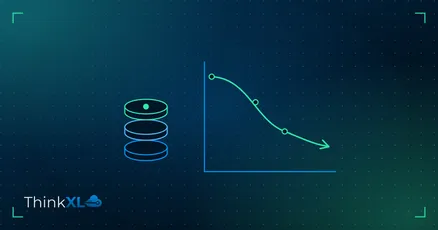
What Is AI FinOps?
- Pratik Kulkarni
- AI FinOps , AWS
- 09 Jun, 2026
AI FinOps is the practice of making AI workload costs visible, attributable, and optimizable — applied to the specific economics of model inference, where the unit of cost is the token, not the instan
Read more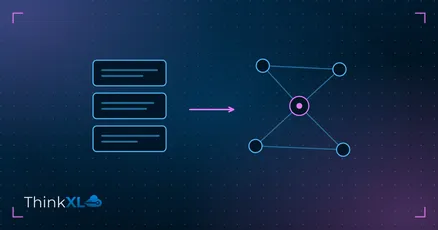
RAG, GraphRAG, and Knowledge Graphs: What's Actually Different
- Pratik Kulkarni
- AI , Cloud Architecture
- 26 May, 2026
LLMs are stateless. They don't know your documents, your internal data, or what changed last week. They're only as good as what you put in front of them. This gave rise to what's now called context en
Read more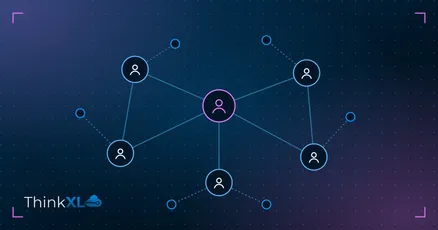
Deploying Engineering Resource Management Knowledge Graph on AWS
- Pratik Kulkarni
- AWS , Cloud Architecture
- 21 May, 2026
Resource planning in engineering orgs is a multi-hop problem. The data is there — skills, project history, availability — it's just stored in flat tables that you need to join on demand. This post wal
Read more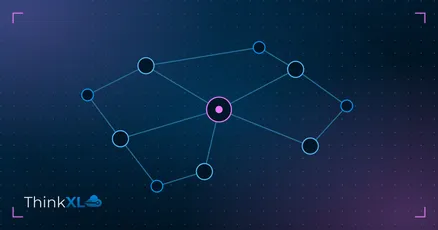
What Is a Knowledge Graph?
- Pratik Kulkarni
- AI , Cloud Architecture
- 19 May, 2026
A knowledge graph stores information as entities and the relationships between them — not rows and columns, but a web of connected facts. The Idea Is Simple Three building blocks:Nodes —
Read more
Connect Claude Code to Live AWS Tools with the Agent Toolkit
- Pratik Kulkarni
- AWS , Implementation
- 14 May, 2026
AI coding agents are getting remarkably capable — but they have a blind spot. The models powering them were trained on data that's months or years old. When you ask your agent about Amazon S3 Tables,
Read more
Stretch Your Claude Code Budget with Bedrock Prompt Caching
- Pratik Kulkarni
- AWS , AI FinOps
- 12 May, 2026
Anthropic recently tightened usage limits on Claude Code — and if you're doing serious development work, you feel it. Long refactoring sessions, codebase-wide architecture questions, iterative debuggi
Read moreCategories
Tags
- Agentcore
- Unit economics
- Bedrock
- Cost optimization
- Finops
- Bedrock agents
- Fargate
- Ai agents
- Langgraph
- Claude code
- Mcp
- Aws agent toolkit
- Iam
- Developer tools
- Aws cur
- Sagemaker
- Ai infrastructure
- Production readiness
- Well architected
- Operational readiness review
- Amazon bedrock
- Prompt caching
- Cost optimisation
- Custom model import
- Self hosted models
- Gpu
- Aws alternatives
- Hetzner
- Ovhcloud
- Contabo
- Egress
- Neo4j
- Knowledge graph
- Terraform
- Claude
- Llm
- Hetzner vs aws
- Graviton
- Knowledge graphs
- Graphrag
- Rag
- Genai
- Aws migration
- Observability
- Postgres
- Disaster recovery
- Inference endpoints
- Evals
- Llm as judge
- Bedrock knowledge bases
- Amazon s3
- Managed knowledge base
- Agentic retrieval
- S3 vectors
- Opensearch serverless
- Vector database